
Leading the movement for evidence-based education worldwide.
What is IMA?
The International MTSS Association brings educators, researchers, practitioners, and system leaders together to strengthen how evidence moves into practice—and how educational systems improve for every student.
2,500+ MEMBERS • 30+ COUNTRIES • 100+ ADVISORS • 1 GROWING COMMUNITY
One Field. One Community. Better Systems for Students.
IMA is a nonprofit professional association working to break down the silos across educational research, practice, disciplines, and systems that too often make school improvement harder than it needs to be.
We bring together the people doing this work—from classrooms to universities, schools to state agencies, and communities around the world—to clarify what works, translate evidence into practice, and build stronger systems for students.

Our Vision
A world where every learner succeeds through high-quality education
Our Purpose
We empower educators and organizations worldwide with translational research, evidence-based resources, and collaborative opportunities to implement a comprehensive multitiered system of supports.
Our Values
Integrity
We commit to the highest standards of ethical stewardship, transparency, and organizational accountability. Every decision, partnership, and resource is guided solely by what best serves educators and improves outcomes for every student.
Research
We bridge the gap between educational science and classroom practice. By grounding our frameworks, tools, and publication efforts in rigorous translational research, we ensure educators have access to reliable, evidence-based practices that work.
Connection
We serve as a global convener and collaborative hub for the MTSS community. By cultivating peer networks, professional learning communities, and strategic partnerships, we unite educators, researchers, and leaders around shared solutions.
Inclusivity
We champion systemic equity by designing a multitiered framework that supports all learners. Our commitment ensures every student—across diverse backgrounds, needs, and abilities—receives high-quality core instruction and tailored support to succeed.
Global-Minded
We embrace an international perspective that respects local context while advancing a unified global vision. By connecting expertise across regions and borders, we expand access to sustainable MTSS implementation worldwide.
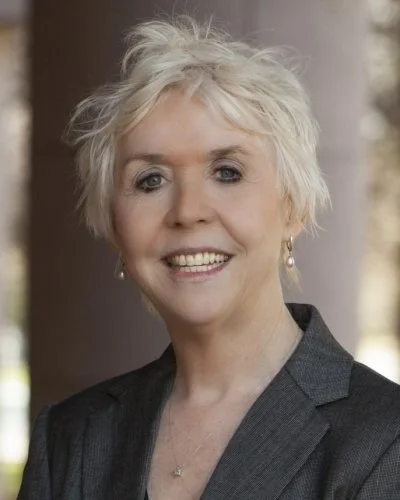
“MTSS provides a coherent framework that connects all aspects of teaching, learning, and support. It’s time for the global education community to come together around this shared language of systems improvement.”
— Sharon Vaughn, Ph.D., University of Texas at Austin
IMA Distinguished Advisor

“MTSS isn’t a program — it’s a process. When implemented with integrity, it becomes the structure that allows every student to receive exactly what they need, when they need it.”
— Matthew K. Burns, Ph.D., Professor, University of Florida
IMA Founding Board of Directors

“When we use research-based instructional practices, we increase the likelihood that every student will be successful.”
— Anita L. Archer, PhD, Author, Educational Consultant, and Literacy Expert
IMA Distinguished Advisor
MTSS language has grown rapidly. Clarity has not always kept pace.
IMA is bringing researchers, practitioners, system leaders, and partners together to strengthen shared understanding around what MTSS is, what it isn’t, what the evidence tells us, and what high-quality implementation requires.
As an independent nonprofit association, we have an opportunity to help the field lead the conversation—grounded in evidence, not a product.
Bringing Clarity to MTSS
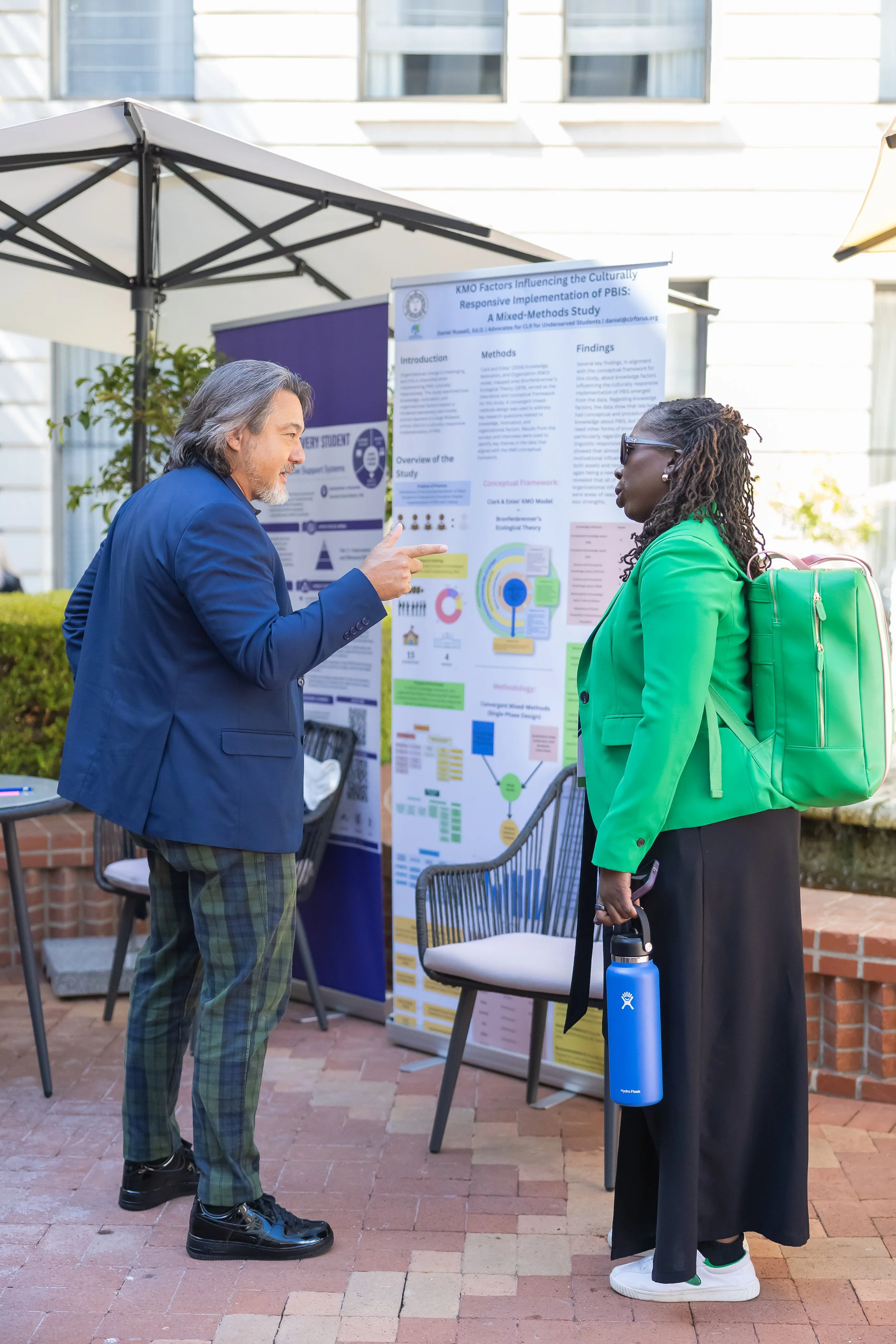
A Professional Community without the Silos
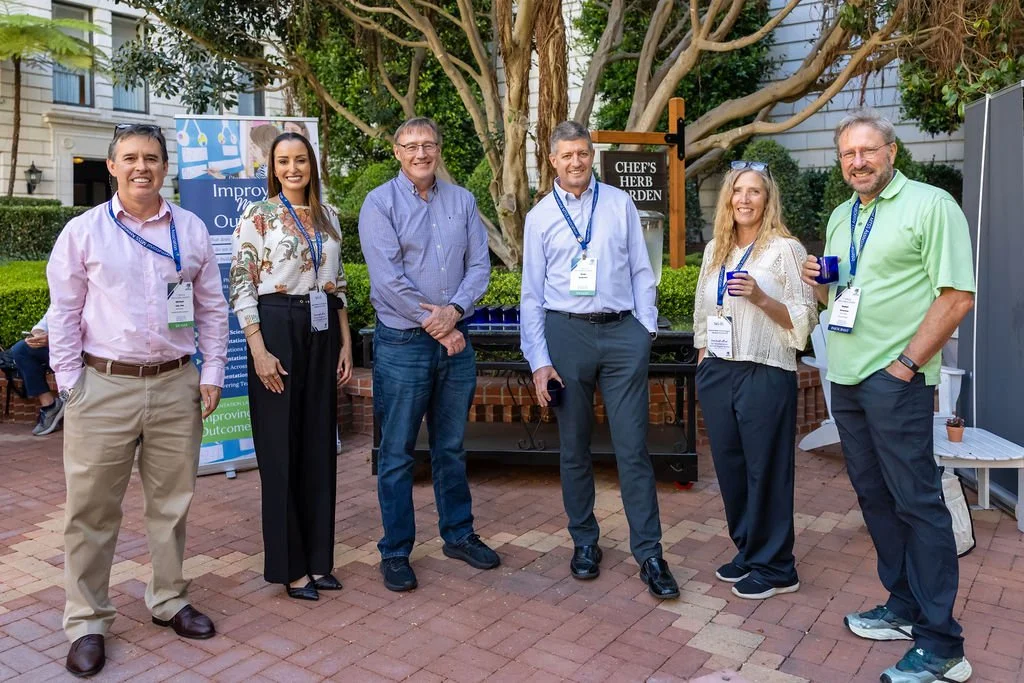
Different disciplines. Different roles. Different parts of the world. One growing professional community.
Through free Action Networks, professional learning, resources, mentorship, and opportunities to collaborate, IMA connects people who might otherwise never find one another.
Moving Evidence into Practice
Research only changes outcomes when people can find it, understand it, and use it.
IMA is building an open, accessible bridge between research and implementation through:
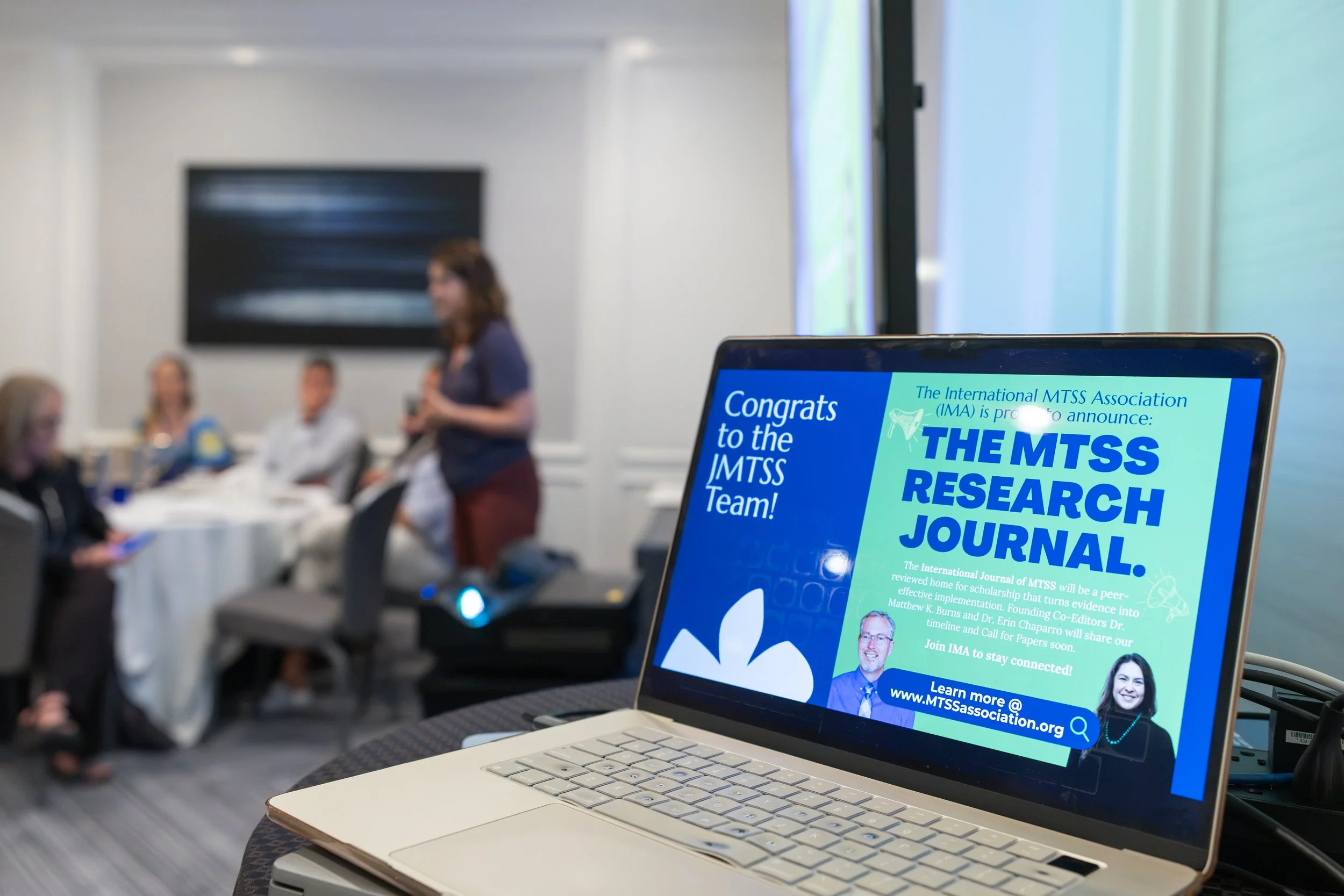
Journal of MTSS — Open-access research and scholarship focused on integrated MTSS.
Resource Hub — Credible research, practical guidance, and tools without the sales pressure.
Professional Learning — Leadership development and team-based learning designed to move evidence into action.

Then the Field Came Together.
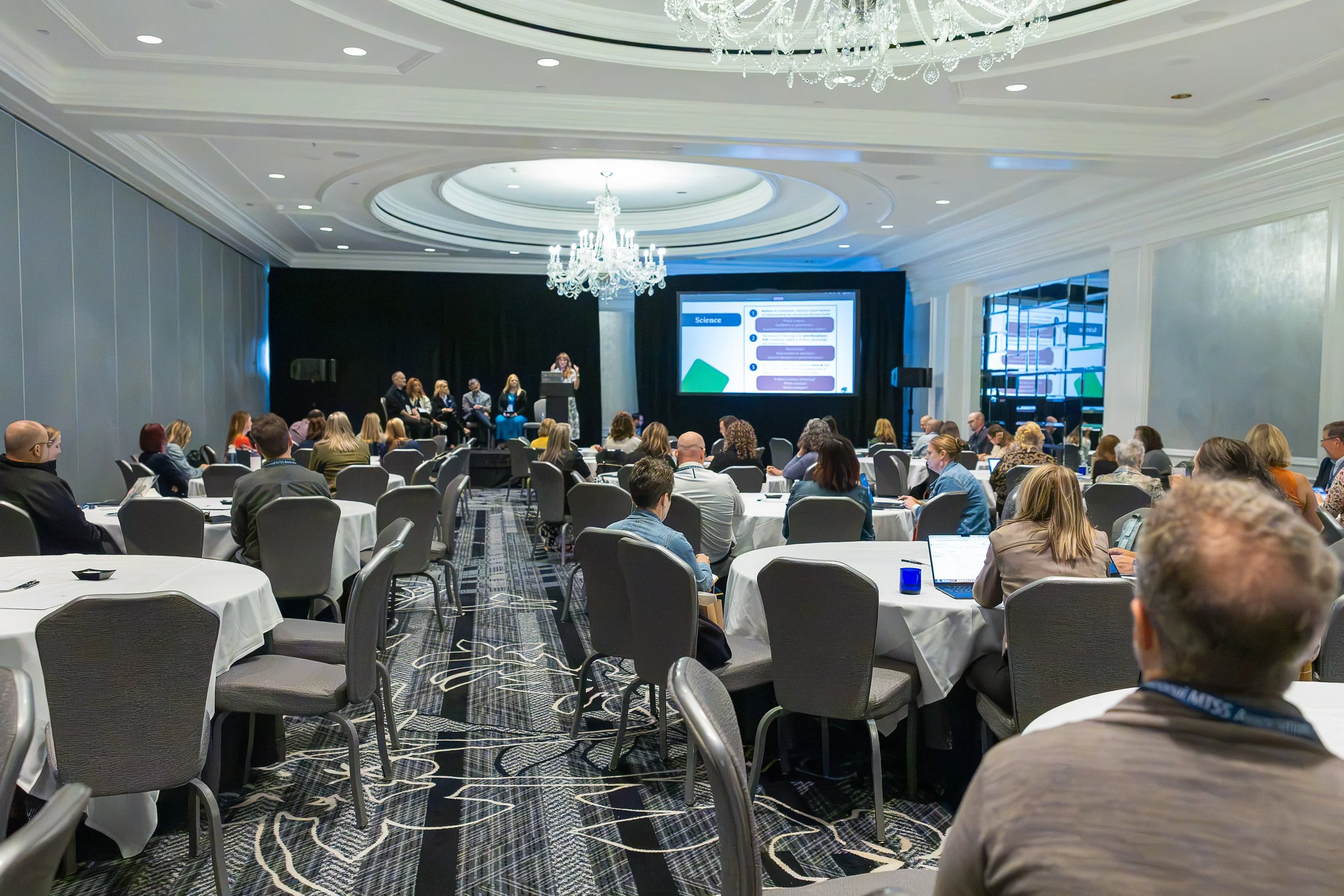
In July 2026, more than 450 people gathered in San Francisco, joined by 125+ virtual participants, for the inaugural IMA Global Summit—bringing researchers, practitioners, and educational leaders together around one integrated system.
And we did professional learning differently: Partners in Practice, Implementation Labs, pre-learning, problem-solving, and conversations designed to close the research-to-practice gap.
No more “sit & get.”
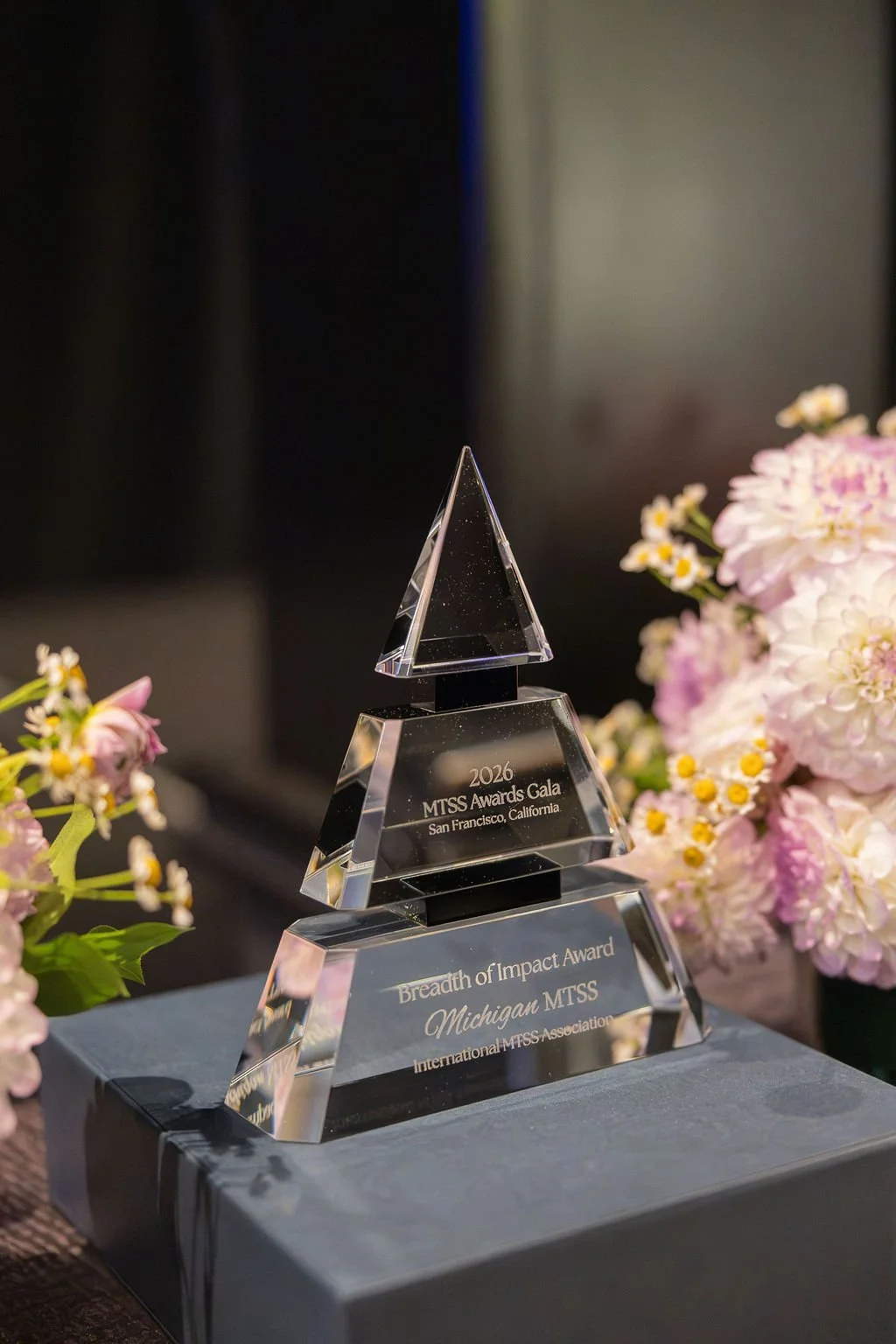
Elevating the Profession of EducationThrough the IMA MTSS Awards and Hall of Fame, we recognize the past, present, and future leaders whose research, practice, leadership, and innovation continue to move education forward.
7 inaugural awards. 15 inaugural Hall of Fame inductees.




Look What We Built Together
In one year, an idea became an international professional community.
2,500+ Members
30+ Countries
100+ Advisors
30+ Partnering Organizations
450+ Summit Participants In Person
$450,000+ Raised
This professional community is for you.
Whether you work in a classroom, school, district, regional agency, state or national system, university, research organization, or alongside educators in another capacity—there is a place for you here.
Membership is free. And we intend to keep it that way.
Want to learn more about MTSS?
-
A prevention-first framework that organizes instruction and supports into tiers using universal screening, progress monitoring, multi-level prevention, and data-based decision making to improve outcomes for all students (Center on Multi-Tiered System of Supports, n.d.; Fuchs & Fuchs, 2006).
-
RTI and PBIS are earlier multi-tier models focused on academics and behavior, respectively. MTSS integrates these domains into one coherent system across academics, behavior, and social-emotional learning (Center on Multi-Tiered System of Supports, n.d.; Fuchs & Fuchs, 2006; Sugai & Horner, 2006).
-
Meta-analyses and multi-year field studies show that RTI/MTSS models improve student outcomes and system performance when teams use student-response data and implement with fidelity (Burns, Appleton, & Stehouwer, 2005; VanDerHeyden, Witt, & Gilbertson, 2007).
Practice guides further specify evidence-based routines for implementation (Gersten et al., 2009; Foorman et al., 2016).
-
You’re on track when these system features are in place and used consistently:
Universal screening for all students on a set schedule with valid measures.
Evidence-based Tier 1 instruction as the protected core for every student, with routine checks that most students are meeting benchmarks.
Targeted (Tier 2) and intensive (Tier 3) interventions available and matched to need, with clear entry/exit criteria.
Progress monitoring at appropriate intervals to see if students are responding—and to adjust quickly when they’re not.
Team-based, data-driven decisions using agreed-upon decision rules during scheduled problem-solving meetings.
Fidelity of implementation verified (e.g., observation/checklists) with feedback cycles to improve practice.
(See Center on Multi-Tiered System of Supports, n.d.; National Center on Response to Intervention, 2010; Hamilton et al., 2009.)
-
MTSS replaces referral-only, subjective decisions with scheduled, team reviews of data and validated practices, which reduces bias and matches support to actual student need (Center on Multi-Tiered System of Supports, n.d.; Fuchs & Fuchs, 1998).
Instead of “who gets referred,” teams look at who is responding to instruction and adjust intensity accordingly—what Fuchs & Fuchs term treatment validity—so resources are allocated based on evidence, not impressions.
Key ways MTSS drives equity in decisions:
Universal screening & multiple measures for all students on a set cadence
Clear decision rules (with disaggregated data) to trigger support and prevent subjective gatekeeping
Evidence-based interventions with fidelity checks, so teams know if practices were delivered as intended
Progress monitoring & rapid adjustments based on student response, not labels or tradition
These routines make decisions transparent, replicable, and improvement-focused across classrooms and schools (Center on Multi-Tiered System of Supports, n.d.; Fuchs & Fuchs, 1998; Hamilton et al., 2009).
-
1997–2004 — Foundations & policy
Early multi-tier approaches in academics (RTI) and behavior (PBIS) emphasized response to instruction (treatment validity) and progress monitoring; IDEA 2004 allowed RTI for SLD identification, accelerating data-based support (Fuchs & Fuchs, 1998; Individuals with Disabilities Education Improvement Act of 2004; Sugai & Horner, 2006).2010s–present — Integration
Systems increasingly integrate academics, behavior, and SEL into one framework with shared essentials: universal screening, strong Tier 1, targeted/intensive tiers, progress monitoring, team decisions, and fidelity (Center on Multi-Tiered System of Supports, n.d.; National Center on Response to Intervention, 2010; Hamilton et al., 2009; Gersten et al., 2009; Foorman et al., 2016).
“I’m deeply grateful to every person who believed in the idea, showed up, shared what they knew, and helped shape what IMA is becoming. It may have started with an idea, but IMA belongs to this community now.”
— Joan Schumann, PhD, Founder & Executive Director
