Pre-Summit Webinar Series
Prepare Your Team. Maximize Your Time in San Francisco—and Beyond.
The IMA Pre-Summit Webinar Series helps your team build a shared foundation before the International MTSS Summit—so you arrive ready for deeper discussion, collaboration, and action, with learning that continues beyond the event.





Pre-Summit Webinar Series
(April-May 2026)
Sessions by Strand
If you’re looking for something specific, we’ve got you covered. Sessions below are listed chronologically, but you can easily navigate by strand area—so you can quickly find the learning experiences most relevant to your role and priorities.
All sessions are listed chronically below.
-
Building Statewide MTSS Infrastructure — Kim St. Martin, PhD — TBD
From Pilot to Systems: Scaling MTSS for Sustainable Student Outcomes — Victoria (Tori) Rollins Ballew, Ed.S. — April 29, 12:30–1:30 PM PST
Designing Effective Teaming Structures — Erin Chaparro, PhD — May 19, 4:00-5:00 PM PST
Systemic Considerations for Implementing MTSS in Math — Nicole McKevett, PhD — April 28, 9:00–10:00 AM PST
Designing Evidence-Based Professional Learning at Scale — Marisa Ramirez Stukey, PhD — TBD
Supporting Multilingual Learners — Elsa Cárdenas-Hagan, PhD — TBD
Leveraging Paraprofessionals and Partners to Meet the Demand of Student Needs — Sandra Morán Pulles, PhD — April 22, 12:00–1:00 PM PST
Improving Attendance Through an MD-MTSS Framework — Patricia Graczyk, PhD; Lisa McKay-Brown, PhD — May 11, 3:00 PM PST
-
Building Data Literacy and Decision-Making Capacity Within MTSS — Kelly A. Powell-Smith, PhD, NCSP — April 23, 10:00–11:00 AM PST
Assessment Fundamentals Within an MTSS Framework — Rachel Brown-Chidsey, PhD; Sarah Wilkinson, PhD — April 21, 10:00-11:00 AM PST
Resources for Evaluating and Selecting MTSS Assessment and Intervention Tools — Tessie Bailey, PhD — April 21, 11:00 AM–12:00 PM PST
Selecting and Using Culturally and Linguistically Responsive SEL Screeners — Stephen Kilgus, PhD — recording available now
Strengthening Tier 3 Through Data-Based Individualization — Christopher Lemons, PhD — May 4, 9:00–10:00 AM PST
-
Selecting and Using Culturally and Linguistically Responsive SEL Screeners — Stephen Kilgus, PhD — TBD
Reducing Problem Behavior & Strengthening Supports — Nicole Hollins-Mosley, PhD; Steve Goodman, PhD — May 7, 9:00–10:00 AM PST
Strengthening FBA & Behavior Support Planning — Chris Borgmeier, PhD — April 17, 10:00–11:00 AM PST
Collaborating to Improve School Attendance Through an MD-MTSS Framework — Patricia Graczyk, PhD; Lisa McKay-Brown, PhD — May 11, 3:00 PM PST
-
Strengthening Outcomes for All Students Through Classwide, Evidence-Based Practices — Farah El Zein, PhD — April 22, 7:30–8:30 AM PST
Strengthening Tier 1 Literacy Instruction in Elementary Settings — Stephanie Stollar, PhD — April 30, 1:00-2:00 PM PST
Strengthening the Reading–Writing Connection for Comprehensive Literacy Development — Young-Suk Kim, EdD — TBD
Strengthening Math Practices Across Tiers — Sarah Powell, PhD — May 11, 7:00–8:00 AM PST
Essentials of Adolescent Literacy — Joan Sedita, M.Ed; Michael Solis, PhD — April 14, 10:00–11:00 AM PST
The Writing Rope: A Framework for Evidence-Based Writing Instruction — Joan Sedita, M.Ed — April 13, 10:00–11:00 AM PST
Co-Constructing Early Childhood MTSS: Building Systems That Support Every Young Learner — Meaghan Devlin, PhD, BCBA-D; Erica Ritter, PhD — April 23, 2:00–3:00 PM PST
-
Strengthening Supplemental Math Supports Across Tiers — Benjamin Solomon, PhD; Brian Poncy, PhD — May 11, 10:00 AM PST
Systemic Considerations for Implementing MTSS in Math — Nicole McKevett, PhD — April 28, 9:00–10:00 AM PST
Leveraging Paraprofessionals and Partners to Meet the Demand of Student Needs — Sandra Morán Pulles, PhD — April 22, 12:00 PM PST
-
Reframing School Psychology Within MTSS — John Hosp, PhD; Matthew Burns, PhD — TBD
Strengthening Tier 3 Through Data-Based Individualization — Christopher Lemons, PhD — May 4, 9:00–10:00 AM PST
Strengthening FBA and Behavior Support Planning Practices — Chris Borgmeier, PhD — April 17, 10:00–11:00 AM PST
-
Building Statewide MTSS Infrastructure for Coherent and Sustainable Implementation — Kim St. Martin, PhD — TBD
From Pilot to Systems: Scaling MTSS for Sustainable Student Outcomes — Victoria (Tori) Rollins Ballew, Ed.S. — April 29, 12:30–1:30 PM PST
Collaborating to Improve School Attendance Through an MD-MTSS Framework — Patricia Graczyk, PhD; Lisa McKay-Brown, PhD — May 11, 3:00 PM PST
Supporting Multilingual Learners Within an MTSS Framework — Elsa Cárdenas-Hagan, PhD — TBD
Every Scalable Literacy Breakthrough Begins with Leaders Who Align Systems — Terrie Noland, PhD, CALT; Danielle “Nell” Thompson, PhD, CCC-SLP — TBD
Systemic Considerations for Implementing MTSS in Math — Nicole McKevett, PhD — April 28, 9:00–10:00 AM PST
Co-Constructing Early Childhood MTSS: Building Systems That Support Every Young Learner — Meaghan Devlin, PhD, BCBA-D; Erica Ritter, PhD — April 23, 2:00–3:00 PM PST
Recording available now within Summit platform!
Essentials of Adolescent Literacy
Presented by:
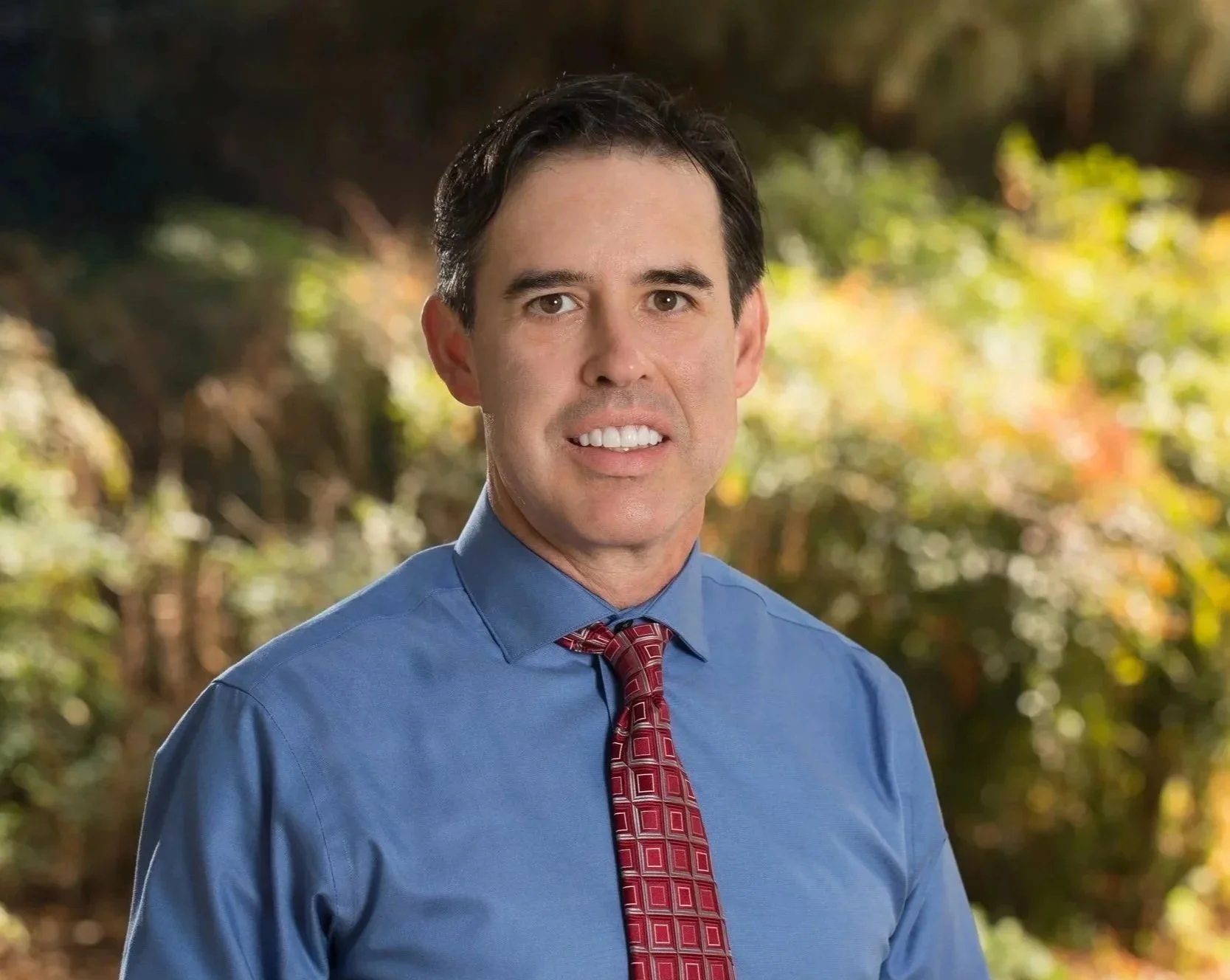
Joan Sedita
Founder, Keys to Literacy
Michael Solis, PhD
Professor, University of California - Riverside
Part 1: Pre-Summit Webinar
The science of reading is not just for younger students—all adolescent learners, especially those who struggle with foundational skills, benefit from explicit literacy instruction within an MTSS framework. This session is designed for classroom teachers, intervention specialists, and administrators who want to learn effective strategies for helping students in grades 5–12 strengthen their reading and writing skills.
Drawing on current research, Joan provides an overview of adolescent literacy, including its definition, how the science of reading applies to secondary grades, the three levels of instruction (content literacy, disciplinary literacy, and intervention for basic skills), and the importance of teaching reading and writing together. The presentation also explores the reasons some adolescents struggle with literacy and provides an overview of research-based interventions, along with a framework for secondary screening and diagnostic reading assessments.
Part 2: Implementation Support
This interactive session focuses on instructional suggestions for reading, writing, and discussion that can be used with adolescent learners across multiple tiers of instruction. Participants will bring questions related to teaching literacy skills to adolescents in Tier I content classrooms and in intervention settings.

Recording available now within Summit platform!
The Writing Rope: A Framework for Evidence-Based Writing Instruction
Presented by:
Joan Sedita
Founder, Keys to Literacy
Jordan Marion
Part 1: Pre-Summit Webinar
This session includes an overview of The Writing Rope model for writing instruction (Sedita, 2019). Many teachers do not recognize that effective writing instruction must address multiple components, represented as strands in a rope in this model. An explanation with references to research findings will be provided for the five strands:
Critical Thinking (generating ideas and information, stages of the writing process)
Syntax (syntactic awareness, sentence elaboration, punctuation)
Text Structure (narrative, informational, opinion; paragraph structure; patterns of organization
Writing Craft (awareness of task, audience, purpose; word choice; literary devices
Transcription (spelling and handwriting fluency).
This workshop addresses writing instruction across grades 3-12.
Part 2: Implementation Support
This interactive session focuses on instructional suggestions for teaching writing across grades 3-12. Participants will bring questions related to any of the strands in the writing rope: transcription skills, writing craft, text structure, syntax, critical thinking.

Recording available now within Summit platform!
Selecting and Using Culturally and Linguistically Responsive SEL Screeners
Presented by:
Stephen Kilgus, PhD
Associate Professor, University of Wisconsin-Madison
Part 1: Pre-Summit Webinar
Focuses on the research base for SEL screening, with specific emphasis on selecting and using tools that are culturally and linguistically responsive within diverse school contexts. Participants will explore key considerations for equitable screening practices, including validity, interpretation of data, and alignment with MTSS frameworks.
Part 2: Implementation Support
This interactive session focuses on applying SEL screening practices in context and addressing common implementation considerations. Participants will bring current tools and processes to refine screener selection, strengthen culturally responsive implementation, and improve how screening data is used to inform Tier 1 and Tier 2 supports and decision-making.

Recording available now within Summit platform!
Strengthening FBA and Behavior Support Planning Practices
Presented by:
Chris Borgmeier, PhD
Professor, Portland State University
Part 1: Pre-Summit Webinar
This session focuses on the foundational practices for conducting high-quality Functional Behavioral Assessments (FBA) and developing effective behavior support and intervention plans. Participants will gain access to free, evidence-based materials developed by Chriss through FBA Online, designed to build capacity and improve consistency in FBA implementation. Ideal for teams looking to strengthen their approach and translate assessment into meaningful, actionable support strategies.
Part 2: Implementation Support
This interactive session focuses on strengthening FBA and BIP/BSP practices in application. Participants will bring current tools and cases to refine alignment between assessment and intervention and improve outcomes.

Recording available now within Summit platform!
Assessment Fundamentals Within an MTSS Framework
Presented by:
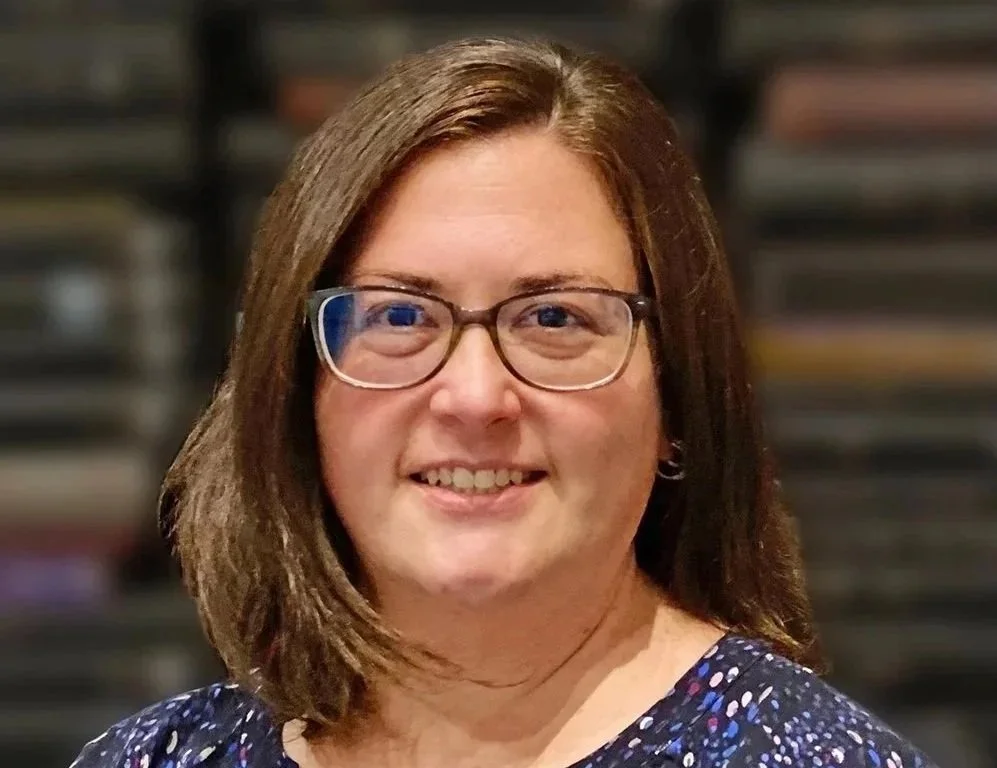
Rachel Brown-Chidsey, PhD
Assistant Professor, University of Alaska-Anchorage
Sarah Wilkinson, PhD
Assistant Professor, University of Southern Maine
Part 1: Pre-Summit Webinar
This session introduces the core components of an MTSS-aligned assessment system, including universal screening, progress monitoring, and diagnostic assessment. Participants will examine how each component functions within tiered decision-making, with an emphasis on using data to accurately identify needs and guide instruction.
Part 2: Implementation Support
This interactive session focuses on strengthening assessment practices to improve instructional decision-making. Participants will bring current tools and systems to refine data use, clarify the purpose of each assessment type, and establish consistent decision rules that support effective, timely, and aligned instructional responses.

Recording available now within Summit platform!
Resources for Selecting MTSS Assessment and Intervention Tools
Presented by:
Tessie Bailey, PhD
Director of thePROGRESS Center: Promoting Progress for Students with Disabilitiesand advisor for theCenter on Multi-Tiered System of Supports (MTSS Center) at AIR, Lead IDEA Center, andNational Center on Intensive Interventions(NCII)
Part 1: Pre-Summit Webinar
This session models how to use the NCII Screening and Progress Monitoring Academic and Behavior Tools Charts to support MTSS decision‑making. Learn how the charts help teams identify, select, and evaluate assessment tools, and get a brief introduction to free, evidence‑based resources for selecting and evaluating Tier 2 interventions.
Part 2: Implementation Support
This interactive session focuses on addressing challenges with intervention selection. The session will demonstrate how schools can use free, evidence‑based resources to identify, compare, and select Tier 2 academic and behavior interventions and progress monitoring tools aligned to student need, evidence, and instructional context.

Recording available now within Summit platform!
Strengthening Outcomes for All Students Through Classwide, Evidence-Based Practices
Presented by:
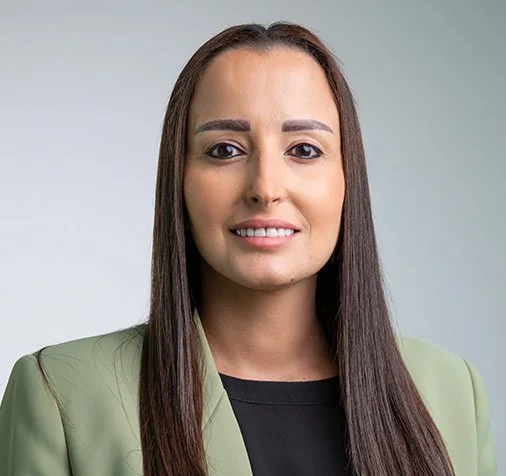
Farah El Zein, PhD
Assistant Professor, Emirates College for Advanced Education (UAE)
Part 1: Pre-Summit Webinar
This session focuses on strengthening Tier 1, classwide instructional practices within an MTSS framework. Drawing on large-scale implementation work in collaboration with the Ministry of Education in the UAE, participants will examine how to design, align, and scale evidence-based universal practices that support diverse learners. Emphasis will be placed on building coherent Tier 1 systems that reduce the need for more intensive intervention.
Part 2: Implementation Support
This interactive session focuses on applying classwide, Tier 1 practices in international settings. Participants will bring current instructional approaches and systems to refine alignment, strengthen core instruction, and address common challenges related to inconsistent Tier 1 implementation, variability across classrooms, and over-reliance on supplemental supports.
Recording available now within Summit platform!
Leveraging Paraprofessionals and Partners to Meet the Demands of Student Needs
Presented by:
Sandy Morán Pulles, PhD
Chief Impact Officer, ServeMinnesota
Part 1: Pre-Summit Webinar
This session explores how schools and systems can effectively leverage paraprofessionals and community partners to expand capacity for delivering interventions within an MTSS framework. Highlighting the innovative work of ServeMinnesota and its use of AmeriCorps volunteers across the country, participants will learn how structured training, clear role definition, and evidence-based practices can drive meaningful outcomes. The session will also share research demonstrating the effectiveness of this model in improving student support and intervention delivery at scale.
Part 2: Implementation Support
Building on Part 1, this session focuses on the common challenges that arise when implementing paraprofessional- and community partner–led intervention models. Participants will explore practical strategies for training, coaching, and supporting staff and volunteers, ensuring fidelity of implementation, and sustaining impact over time.

Monday, April 27 @ 10:00-11:00 AM PST
How Might Culturally Responsive Pedagogy Strengthen MTSS to Address Equity Gaps?
Presented by:
Daniel Russell, EdD
Advocates for Cultural and Linguistic Responsiveness for Underserved Students
Part 1: Pre-Summit Webinar
What does it truly mean to center equity within an MTSS framework, particularly the PBIS domain? This session introduces the core principles of cultural and linguistic responsiveness (CLR), explains why CLR is essential for equity, and explores how to authentically infuse CLR into Tier 1—the foundation of effective MTSS systems. Participants will examine five essential keys to infusing the PBIS domain and its core Tier 1 practices with CLR.
Part 2: Implementation Support Session
Building on foundational understanding, this session focuses on practical application. Participants will explore how to infuse culturally and linguistically responsive (CLR) practices across Tiers 1, 2, and 3 to ensure that interventions and supports promote equity. A specific emphasis will be placed on understanding cultural behaviors common among historically underserved students and how frequent deficit perceptions of them by educators contribute to persistent equity gaps.

Monday, April 27 @ 2:00-3:00 PM PST
Co-Constructing Early Childhood MTSS: Building Systems That Support Every Young Learner
Presented by:
Meaghan Devlin, PhD, BCBA-D
Lecturer, Monash University
Erica Ritter, PhD
Director, Texas A&M University Children’s Centers
This session highlights the development and implementation of a Multi-Tiered System of Supports (MTSS) framework within early childhood settings through a research–practice partnership at Texas A&M University Children’s Centers. Grounded in evidence-based practices in early childhood education, MTSS, and special education, this work demonstrates how coherent, prevention-focused systems can be designed to support diverse learners while strengthening educator capacity.
The consulting partner will provide an overview of key MTSS frameworks and tools tailored to early childhood contexts, including the integration of tiered prevention, explicit instruction, data-based decision-making, and coaching systems. A central feature of this work is the development of a Tier 1 coaching and self-assessment tool designed to support consistent, engaging, and equitable classroom environments.
The practice partner will share how MTSS was implemented within early childhood centers, including how leadership alignment, professional learning, and coaching systems were established and refined over time. Participants will gain insight into how teams addressed common challenges such as role clarity, resistance to implementation, and building sustainable coaching capacity within resource-constrained environments.
The session will highlight both successes and barriers, with an emphasis on lessons learned related to sustainability, system coherence, and educator support. Participants will leave with practical strategies for designing and implementing early childhood MTSS systems that are feasible, culturally sustaining, and responsive to the needs of children, families, and educators.

Tuesday, April 28 @ 9:00-10:00 AM PST
Systemic Considerations for Implementing MTSS in Math
Presented by:
Nicole McKevett, PhD, NCSP
Center for Applied Research & Educational Improvement (CAREI)
Part 1: Pre-Summit Webinar
This introductory webinar will introduce the key system-level drivers of effective implementation of MTSS in mathematics. This session will establish a shared framework and common language to support leaders in designing a unified, sustainable math system. Participants will explore how to build coherence across Tier 1, Tier 2 and Tier 3 and align assessment and data-based decision making practices in math.
Part 2: Implementation Support
This interactive session will focus on application, consultation and problem-solving. Participants will bring real implementation challenges, data and questions related to implementing MTSS in Math, and engage in facilitated discussions to analyze system coherence and identify next steps. Leaders will collaborate with peers and leave with clear, actionable plans to strengthen MTSS implementation across their mathematics system.

Wednesday, April 29 @ 9:00-10:00 AM PST
From Assessment to Action: Implementing EGRA to Strengthen Early Literacy in Ethiopia
Presented by:
Marcia Davidson, PhD
International Early Literacy Expert & Consultant
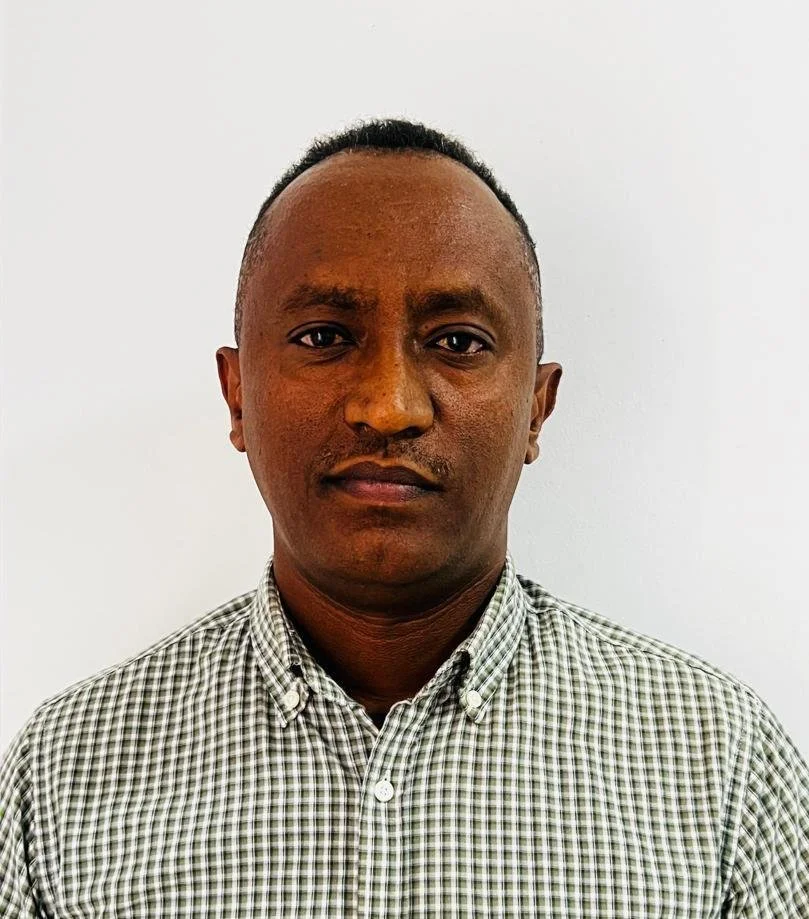
Fredi Merhatsidk Mekonnen
Director of Program, Partners in Education Ethiopia
This session explores the implementation of the Early Grade Reading Assessment (EGRA) in Ethiopia as a catalyst for strengthening foundational literacy and informing system-level change. EGRA is an individually administered oral assessment that measures key reading skills—such as phonological awareness, decoding, fluency, and comprehension—providing actionable data on students’ progress in learning to read.
The consulting partner will present EGRA as a system diagnostic tool, highlighting its role in identifying instructional gaps, setting benchmarks, and guiding evidence-based literacy interventions. Participants will see how EGRA goes beyond traditional assessments by capturing what students can do and enabling earlier, more targeted support.
The practice partner will share Ethiopia’s implementation journey, including adapting EGRA across languages, training assessors, and using results to inform programs and policy. The session will highlight challenges—such as contextual adaptation, resource constraints, and building local ownership—alongside successes in using data to improve instruction and early reading outcomes.
Together, presenters will show how embedding assessment within a continuous improvement cycle helps systems identify needs, implement targeted interventions, and track progress over time.

Wednesday, April 29 @12:30-1:30 PM PST
From Pilot to Systems: Scaling MTSS for Sustainable Student Outcomes
Presented by:
Victoria (Tori) Rollins Ballew, Ed.S.
Program Manager, WestEd
This session highlights a district-wide MTSS implementation journey that began as a pilot and evolved into a scalable, sustainable system through a partnership between Alvord Unified School District, WestEd, and the Oak Foundation. Grounded in implementation science and continuous improvement, this work demonstrates how districts can move from isolated efforts to coherent, system-wide change.
The consulting partner will provide an overview of the frameworks, tools, and implementation strategies used to guide MTSS development, including building shared understanding, aligning leadership and data systems, and strengthening Tier 1 instruction. Emphasis will be placed on how districts can use data—academic, behavioral, and attendance—to drive decision-making and support integrated systems.
The practice partner will share how MTSS was implemented and scaled across the district, beginning with three elementary pilot schools and expanding to all sites. Participants will learn how the district established key structures such as data team meetings, protected intervention time, aligned professional learning, and clearly defined roles and responsibilities to support sustainable implementation.
The session will highlight measurable outcomes, including improvements in reading achievement, attendance, and reductions in behavioral incidents. Presenters will also share lessons learned related to scaling, aligning initiatives, and building educator ownership so MTSS becomes embedded in daily practice.
Participants will leave with practical strategies for scaling MTSS, strengthening system coherence, and using data as a tool for continuous improvement to support positive academic, behavioral, and attendance outcomes.
Thursday, April 30 @ 10:00-11:00 AM PST
Building Data Literacy and Decision-Making Capacity Within MTSS
Presented by:
Kelly Powell-Smith, PhD, NCSP
Professor, Mount Saint Joseph University
Part 1: Pre-Summit Webinar
This session focuses on building educator capacity to use data effectively within an MTSS framework. Participants will examine how to develop data literacy across teams, including understanding what data mean, how to apply decision rules, and how to identify which instructional variables are alterable. Emphasis will be placed on moving beyond data collection to meaningful interpretation that informs instructional action while maintaining alignment and fidelity.
Part 2: Implementation Support
This interactive session focuses on strengthening how teams use data to make instructional and intervention decisions. Participants will bring current data practices, decision rules, and team processes to refine consistency, improve accuracy, and address common challenges such as over-reliance on programs, unclear next steps, and variability in decision-making. The session will support teams in balancing flexibility with fidelity and ensuring data lead to clear, actionable changes in instruction.

Thursday, April 30 @ 1:00-2:00 PM PST
Strengthening Tier 1 Literacy Instruction in Elementary Settings
Presented by:
Stephanie Stollar, PhD
Consultant, MTSS Innovations
Part 1: Pre-Summit Webinar
This session focuses on defining and operationalizing strong Tier 1 literacy instruction aligned to the Science of Reading. Participants will examine the essential components of effective core instruction, including explicit, systematic teaching and opportunities for practice and feedback. Grounded in Stephanie Stollar’s systems-focused approach, the session will also address common implementation challenges and how to ensure Tier 1 is robust enough to meet the needs of the majority of learners.
Part 2: Implementation Support
This interactive session is designed to support teams in strengthening and refining their Tier 1 literacy systems. Participants will bring current instructional practices and materials to analyze alignment, increase instructional precision, and improve consistency across classrooms. With a focus on practical application, teams will identify adjustments that reduce over-reliance on intervention and ensure core instruction is delivering strong outcomes for all students.

Thursday, May 7 @ 9:00-10:00 AM PST
Reducing Problem Behavior and Strengthening Tiered Supports
Presented by:
Nicole Hollins-Mosley, PhD
Assistant Director of Virginia’s MTSS Research and Implementation Center at Virginia Commonwealth University
Steve Goodman, PhD
Research specialist at the University of Connecticut & Partner with the Center on PBIS
Part 1: Pre-Summit Webinar
Focuses on building effective Tier 1, Tier 2, and Tier 3 behavior systems within an MTSS framework, including proactive prevention strategies, clear escalation pathways, and the use of data to guide decision-making and system alignment.
Part 2: Implementation Support
This interactive session focuses on strengthening behavior systems in practice. Participants will bring current approaches to refine prevention strategies, enhance tiered supports, and address challenges related to inconsistent implementation, staff alignment, and system coherence across settings.


Thursday, May 7 @ 10:00-11:00 AM PST
Introduction to Behavior Support within a Tiered Framework
Presented by:
Lori Boll
Executive Director, SENIA International
Part 1: Pre-Summit Webinar
This webinar introduces a framework for understanding student behavior within a tiered framework. Drawing on PBIS, skill-based approaches, and the work of Dr. Ross Greene, participants will explore why behavior occurs, how lagging skills and unmet needs influence it, and how adult responses shape outcomes across Tier 1, Tier 2, and Tier 3 supports.
Part 2: Implementation Support
Building on the webinar, this live session offers participants the opportunity to apply learning through guided problem solving. Educators and school leaders will bring behavior questions or challenges from their own settings, identify patterns, clarify underlying needs, and consider responses aligned with MTSS principles. The session builds confidence and supports more intentional, practical decision making across tiers.

Thursday, May 7 @ 11:00 AM PST
Strengthening the Reading–Writing Connection for Comprehensive Literacy Development
Presented by:
Young-Suk Kim, EdD
Professor, University of California - Irvine
Part 1: Pre-Summit Webinar
This session explores the research-based relationship between reading and writing development, emphasizing how these reciprocal processes should be intentionally integrated within Tier 1 instruction. Participants will examine key components of both reading and writing, and how alignment across them supports stronger, more comprehensive literacy outcomes.
Part 2: Implementation Support
This interactive session focuses on applying the reading–writing connection within MTSS. Participants will bring current practices to analyze alignment, strengthen instructional coherence, and identify opportunities to better integrate reading and writing across core and supplemental instruction to improve student outcomes.

Thursday, May 7 @ 1:00 PM
Supporting Multilingual Learners Within an MTSS Framework
Presented by:
Elsa Cárdenas-Hagan, PhD
President of the Valley Academic Language and Education Center and Research Associate at the University of Houston
Part 1: Pre-Summit Webinar
Focuses on evidence-based practices for supporting multilingual learners within MTSS, including aligning language development with literacy instruction and assessment. Participants will examine how to differentiate between language acquisition and learning needs, and how to ensure instruction and assessment practices are both responsive and equitable.
Part 2: Implementation Support
This interactive session focuses on strengthening systems to better support multilingual learners. Participants will bring current practices to refine instruction, assessment, and intervention, while addressing common misconceptions about MTSS and multilingual learners. Emphasis will be placed on building coherent, aligned supports that promote both language development and academic success across tiers.

Monday, May 11 @ 10:00 AM PST
Strengthening Supplemental Math Supports Across Tiers
Presented by:
Brian Poncy, PhD
Professor, University of Texas at Austin
Benjamin Solomon, PhD
Associate Professor, SUNY Albany
Part 1: Pre-Summit Webinar
Even with strong core instruction, some students need additional support. This session focuses on identifying and implementing high-quality supplemental math interventions, including how to select effective, evidence-based resources—many of them free. Participants will explore key features of impactful supports and how to integrate them within an MTSS framework.
Part 2: Implementation Support
This interactive session supports teams in strengthening supplemental math intervention in practice. Participants will bring current resources and approaches to evaluate quality, improve alignment, and plan for effective implementation to better meet the needs of students requiring additional support.


Monday, May 11 @ 11:30 AM PST
The Missing Middle: Strengthening Tier 2 Social-Emotional Behavioral Health in MTSS
Presented by:
Megan Gruis
IgnitED! Consulting
Part 1: Pre-Summit Webinar
Tier 2 is often the least defined and most time-consuming, communication-intensive layer of MTSS. This session introduces key concepts for strengthening Tier 2 Social Emotional Behavioral Health (SEBH) practices within MTSS. Participants will learn how to use behavioral, attendance, and social-emotional data to prioritize student support, distinguish between acquisition and performance needs, and match students to appropriate supports beyond CICO. Common implementation challenges, including referral pathways, too many or too little interventions, and unclear decision rules will be addressed.
Part 2: Live Problem-Solving Session
This interactive session focuses on applying Tier 2 SEBH practices within MTSS. Participants will bring real data and student challenges to analyze needs with one or multiple needs. Participants will identify root causes, and match students to the most precise support possible. With guided support, they will outline decision rules, develop structured Tier 2 intervention options, and clarify team decision-making processes. Participants will leave with clear, actionable next steps to strengthen the “missing middle” of Tier 2 SEBH within MTSS.

Monday, May 11 @ 1:00 PM PST
Designing Evidence-based Professional Learning at Scale
Presented by:
Marisa Ramirez Stukey, PhD
Chief Academic Officer, The Reading League (TRL)
Part 1: Pre-Summit Webinar
Sustainable MTSS implementation depends on more than strong frameworks—it depends on changing adult behavior. This session explores the research behind effective professional learning, drawing on implementation science to examine why traditional approaches rarely lead to lasting change. Participants will explore key drivers of behavior change, including coaching, feedback, leadership support, and system alignment, and consider how to design coherent, data-informed professional learning that translates into consistent practice.
Part 2: Implementation Support
In this interactive fishbowl session, Dr. Marisa Ramirez Stukey unpacks the research on professional learning and implementation science, highlighting why a single approach alone rarely shifts practice and what system leaders must do differently. Through expert consultation and reflection, participants will explore how to build the conditions necessary for durable instructional change.

Monday, May 11 @ 3:00-4:00 PM PST
Collaborating to Improve School Attendance Through an MD-MTSS Framework
Presented by:
Patricia Graczyk, PhD
Assistant Professor, University of Illinois Chicago
Lisa McKay-Brown, PhD
Associate Dean, University of Melbourne
Part 1: Pre-Summit Webinar
Introduces and unpacks an MD-MTSS framework to improve student attendance, grounded in a systems-level approach to prevention and intervention. Participants will explore how to identify root causes of absenteeism, use data effectively, and build strong, cross-functional teams to support attendance. The session will also focus on designing and aligning tiered supports across systems and contexts to promote consistent, proactive responses to attendance challenges.
Part 2: Implementation Support
This interactive session focuses on applying the framework in practice while addressing common implementation challenges. Participants will bring current data and practices to refine supports, strengthen teaming structures, and ensure alignment across initiatives. With an emphasis on real-world application, teams will adapt strategies to their local context and problem-solve persistent issues related to chronic absenteeism and system-level coherence.

Monday, May 11 @ 7:00 AM PST
Strengthening Math Practices Across the Tiers
Presented by:
Sarah Powell, PhD
Professor, University of Texas at Austin
Part 1: Pre-Summit Webinar
Alignment between core instruction and intervention in math is essential within any MTSS framework. This session focuses on four key considerations for alignment: math content, representations, strategies, and vocabulary. Participants will explore how explicit, systematic instruction and consistent use of models and language can strengthen coherence across tiers and improve student understanding. Come ready to reflect on your current practices and begin planning for more effective alignment.
Part 2: Implementation Support
This interactive session deepens the focus on aligning core and intervention in mathematics. Participants will bring current materials and practices to analyze alignment across content, representations, strategies, and vocabulary, with an emphasis on clarity, consistency, and instructional precision. Teams will work to identify gaps, refine approaches, and plan actionable steps to strengthen math outcomes across tiers.
Monday, May 18 @ 10:00 AM PST
Reframing School Psychology Within an MTSS Framework
Presented by:
John Hosp, PhD
Professor, University of Massachusetts Amherst
Matt Burns, PhD
Fien Endowed Professor of Special Education at the University of Florida and Assistant Director of the University of Florida Literacy Institute (UFLI)
Part 1: Pre-Summit Webinar
Focuses on the evolving role of school psychologists within MTSS, including how RTI fits within a broader, prevention-oriented framework. Participants will explore the critical importance of role clarity, alignment to system priorities, and how school psychologists can shift from primarily reactive services to proactive, data-driven support across tiers.
Part 2: Implementation Support
This interactive session focuses on translating this shift into practice—one of the most common and challenging aspects of MTSS implementation. Participants will examine current roles and service delivery models to refine alignment with MTSS, clarify responsibilities, and address barriers related to fragmented systems and competing demands. Without this clarity, MTSS efforts often lose momentum or become misaligned; this session supports teams in building coherent, sustainable models that drive impact.


Tuesday, May 19 @ 4:00 PM PST
Designing Effective Teaming Structures Within an MTSS Framework
Presented by:
Erin Chaparro, PhD
Research Associate, National Center for PBIS (Oregon)
Part 1: Pre-Summit Webinar
This session introduces effective teaming structures within MTSS, including team composition, clearly defined roles, meeting routines, and data-based decision-making protocols. Participants will examine common challenges related to unclear roles, inefficient meetings, and inconsistent team functioning, and explore strategies to build more structured, aligned, and effective teams that support implementation across tiers.
Part 2: Implementation Support
This interactive session focuses on refining teaming structures to support effective MTSS implementation. Participants will examine current team models to clarify roles, streamline processes, and improve efficiency across teams. Emphasis will be placed on strengthening data-informed collaboration, aligning efforts across tiers, and building cohesive, cross-functional teams that support consistent decision-making and improved outcomes.

Monday, May 21 @ 10:00-11:00 AM PST
Strengthening Tier 3 Through Data-Based Individualization
Presented by:
Chris Lemons, PhD
Professor, Stanford University
Part 1: Pre-Summit Webinar
Introduction to Data-Based Individualization (DBI) and how to systematically intensify intervention for students with the most significant and persistent needs. Participants will explore the core components of DBI, including diagnostic assessment, intervention adaptation, and ongoing progress monitoring, with an emphasis on using data to make precise, individualized instructional decisions.
Part 2: Implementation Support
This interactive session focuses on strengthening Tier 3 systems through the application of data-based individualization. Participants will bring complex student cases to analyze and refine intervention design, improve the quality and frequency of progress monitoring, and strengthen data-based decision-making processes. Grounded in Chris Lemons’ expertise, the session will emphasize practical strategies for intensifying instruction and ensuring students with significant needs receive targeted, effective support.

Tuesday, May 27 @ 10:00 AM PST
Every Scalable Literacy Breakthrough Begins with Leaders Who Align Systems
Presented by:
Terrie Noland, PhD, CALT
National Literacy Leader
Danielle ‘Nell’ Thompson, Ph.D., CCC-SLP
Founder of The Transformative Reading Teacher Group and Big Sky Literacy Summit
Part 1: Pre-Summit Webinar
This session introduces systems thinking as the leadership lens for literacy transformation. Examine how interconnected structures, priorities, people, and processes, shape outcomes, and why fragmented efforts fail. Leaders will begin to see their systems differently and identify one leverage point to bring forward.
Part 2: Implementation Support
Systems don’t change without intentional alignment. In this session, leaders apply macro and micro views to build coherence across priorities, teams, and daily practices. Identify where breakdowns occur, design aligned structures, and take action to reduce fragmentation. Leave with a clear, actionable step to strengthen your system within 30 days.


Part 1: Pre-Summit Webinar
This session focuses on how to design and strengthen statewide and regional MTSS infrastructure to support effective implementation. Drawing on the rich experience offered by co-presenters, participants will examine how leadership, coaching, and data systems are aligned to build capacity, ensure fidelity, and sustain integrated academic and behavioral support across districts and schools.
Part 2: Implementation Support
This interactive session focuses on applying infrastructure and implementation practices to current MTSS efforts. Participants will bring active initiatives to refine system alignment, strengthen leadership and coaching supports, and address common challenges related to scaling, coherence, and sustaining high-quality implementation across schools and districts.
Thursday, May 28 @ 1:00 PM PST
Building Statewide MTSS Infrastructure for Coherent and Sustainable Implementation
Presented by:
Kimberly St. Martin, PhD
Michigan’s MTSS Technical Assistance Center