Kenneth W. Howell Tribute Award
A Legacy Carried Forward
Kenneth W. Howell, PhD, believed deeply in the ability of educators to change outcomes for students—and in the responsibility to use evidence, data, and thoughtful problem solving to make that happen.
For generations of educators trained by Ken and his colleagues at Western Washington University, that belief became more than coursework. It became a way of approaching the work.
His former students remember leaving prepared to ask better questions, use data with purpose, and begin from the conviction that every student can learn.
Years later, many came to understand just how unusual—and how influential—that preparation had been.
Remembering Ken Howell: The Educator Behind the Influence
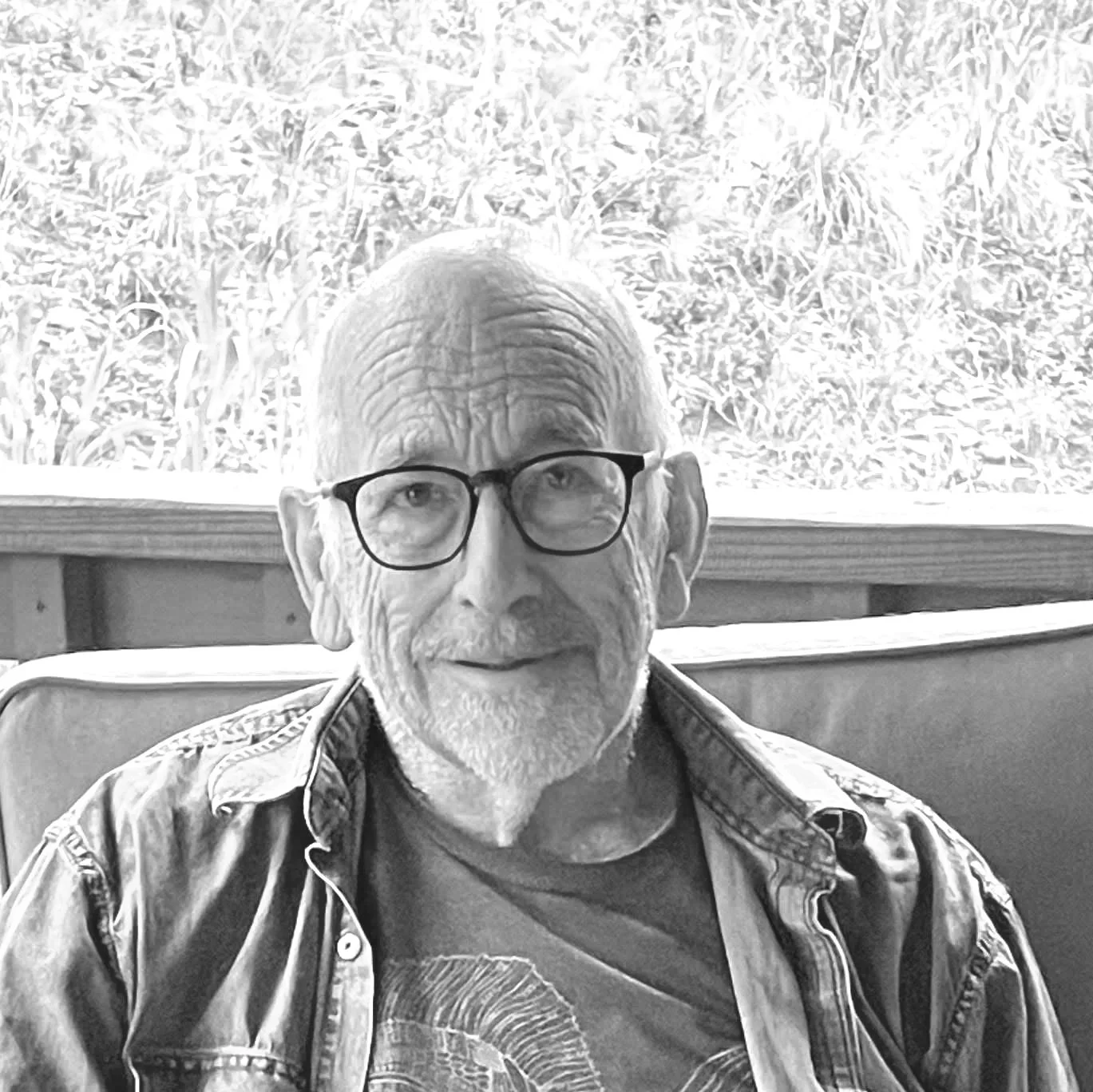
Kenneth W. Howell, PhD, was an educator of educators—and his influence reached far beyond the university classroom. At a time when leading scholars were searching for better, research-aligned ways to serve students with learning and behavioral challenges, Ken helped advance problem-solving approaches that connected assessment, data, curriculum, and instruction.
He prepared generations of educators and school psychologists to think differently: Focus on what we can change, use trustworthy data, and keep working until students learn. Many of those he taught and collaborated with went on to become influential researchers, leaders, and practitioners themselves.
In this 9-minute tribute, Dr. John Hosp brings Ken to life—from his famously dry sense of humor and innovative thinking in school psychology to stories from his work with the California Youth Authority and what it was really like to write alongside him.
Meet the teacher, problem solver, mentor—and person—behind a legacy that continues to shape the field.
Lessons That Still Guide the Work
Ken had a gift for making complex ideas practical. His maxims and teaching continue to shape how his students approach assessment, instruction, and problem solving.
-
When students struggle, return to what matters most: instruction. Teach, adjust, measure the response, and keep working toward better outcomes.
-
Good decisions require good data. Ken emphasized using technically sound, validated measures—because even the best problem-solving process fails when the data informing it cannot be trusted.
-
Ken taught his students to distinguish between alterable and inalterable variables. Effective problem solving focuses on the things educators can change—instruction, curriculum, and the learning environment—rather than factors outside their control.
Teach well. Measure well. Change what you can. Keep the focus on students.

A Teacher Whose Influence Multiplied
“Ken Howell is most certainly the reason I earned my doctoral degree—and IMA simply wouldn’t exist without him.
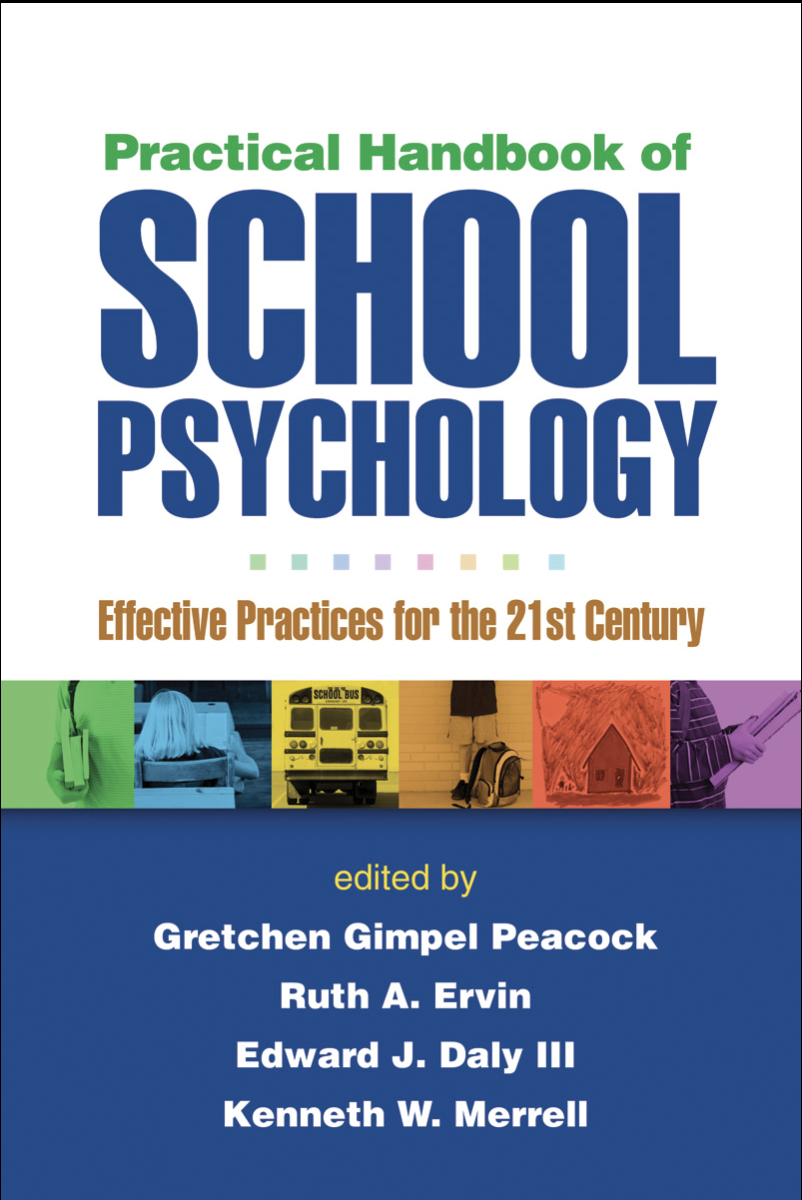
Early in my career, Ken asked me to be second author with him on a chapter in the Handbook of School Psychology. At the time, I didn’t even understand what a big deal that was. That was Ken. He saw something in me before I knew enough to see it in myself.
I also didn’t realize then how fortunate we were to have been trained the way we were. At a time when relatively few teacher preparation programs were truly equipping educators with the tools to identify learning gaps and systematically close them, we left Western Washington University believing that every student could learn—and knowing how to use research, data, and effective instruction to help make that happen.
We even had shirts that said RELENTLESS. That word captured what Ken taught us about good teaching: You don’t give up on a kid. You keep asking questions. You change what you can change. You teach, measure, adjust, and teach again. Good teaching was relentless teaching.
Ken taught me how to teach effectively, but his mentorship didn’t end when I left his classroom. As I moved into leadership, he gave so generously of his time—spending countless hours on the phone helping me think through career decisions, challenging my thinking, and advising me about what I might do next.
And perhaps most remarkably, Ken introduced me early in my career to people who became lifelong colleagues and friends—the very people I would eventually rope into helping me launch IMA.
When I trace my own professional journey backward, Ken is everywhere. His influence is woven into how I taught, how I learned to lead, the people I learned from, and ultimately the community we are building through IMA.
But that story isn’t unique to me. That may be the most extraordinary thing about Ken. There are generations of us carrying pieces of what he taught into classrooms, universities, districts, organizations, and systems—and through us, his influence has reached countless students he would never have had the opportunity to meet.
That is Ken’s legacy. It keeps multiplying. And I am profoundly grateful to be one small part of it.”
— Joan Schumann, PhD
Founding Executive Director, International MTSS Association
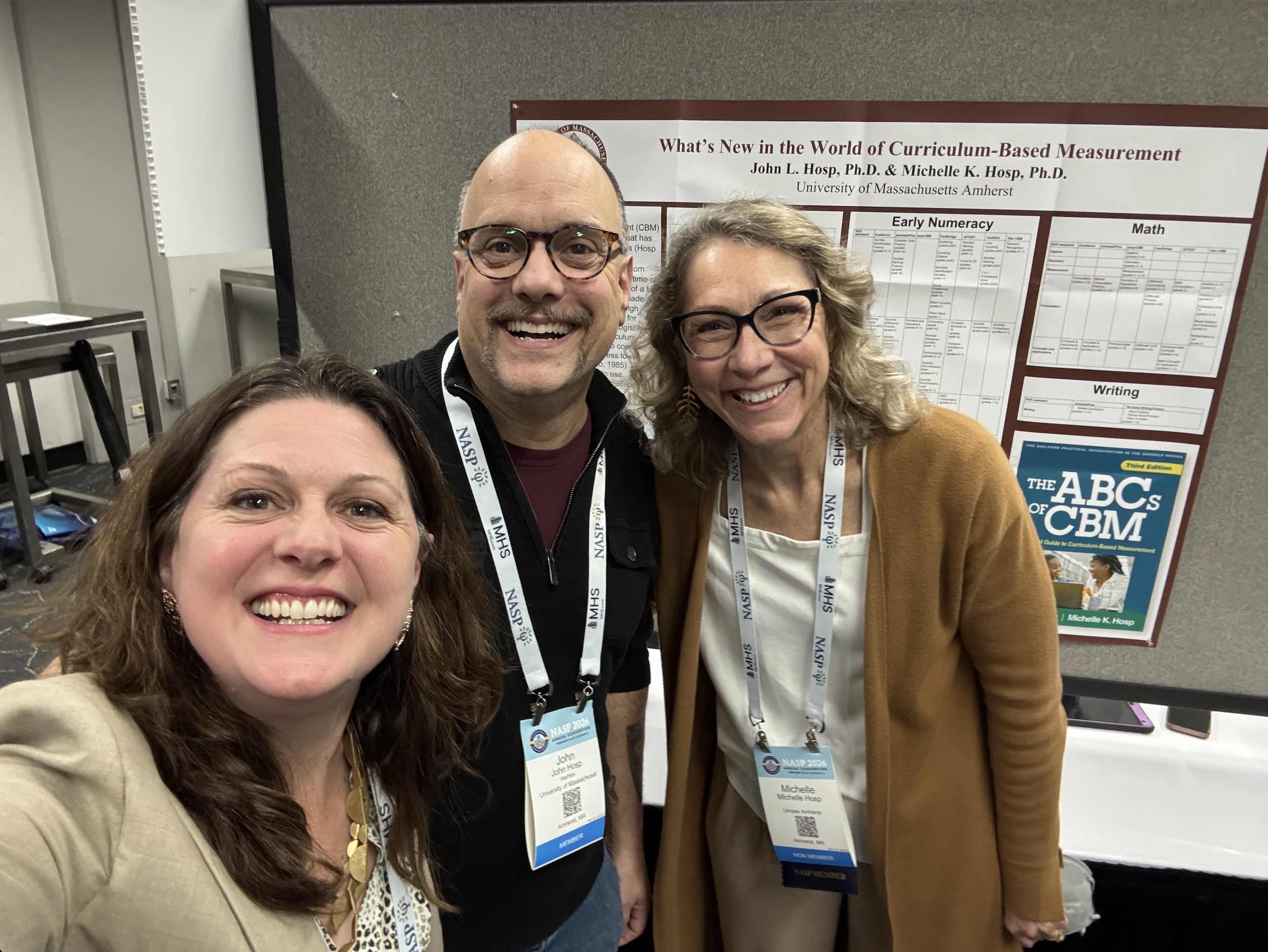
“Ken taught through anecdotes, I remember stories about the importance of being a relentless advocate for kids. Getting the full picture before arriving at conclusions about the root cause for the learning or behavioral challenge.”
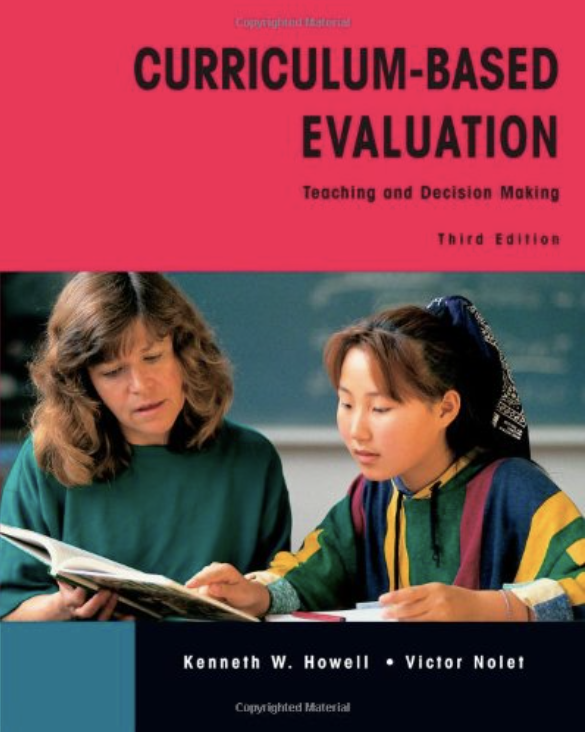
“A copy of Howell & Nolet still sits on my desk to this day.”
From One Generation to the Next
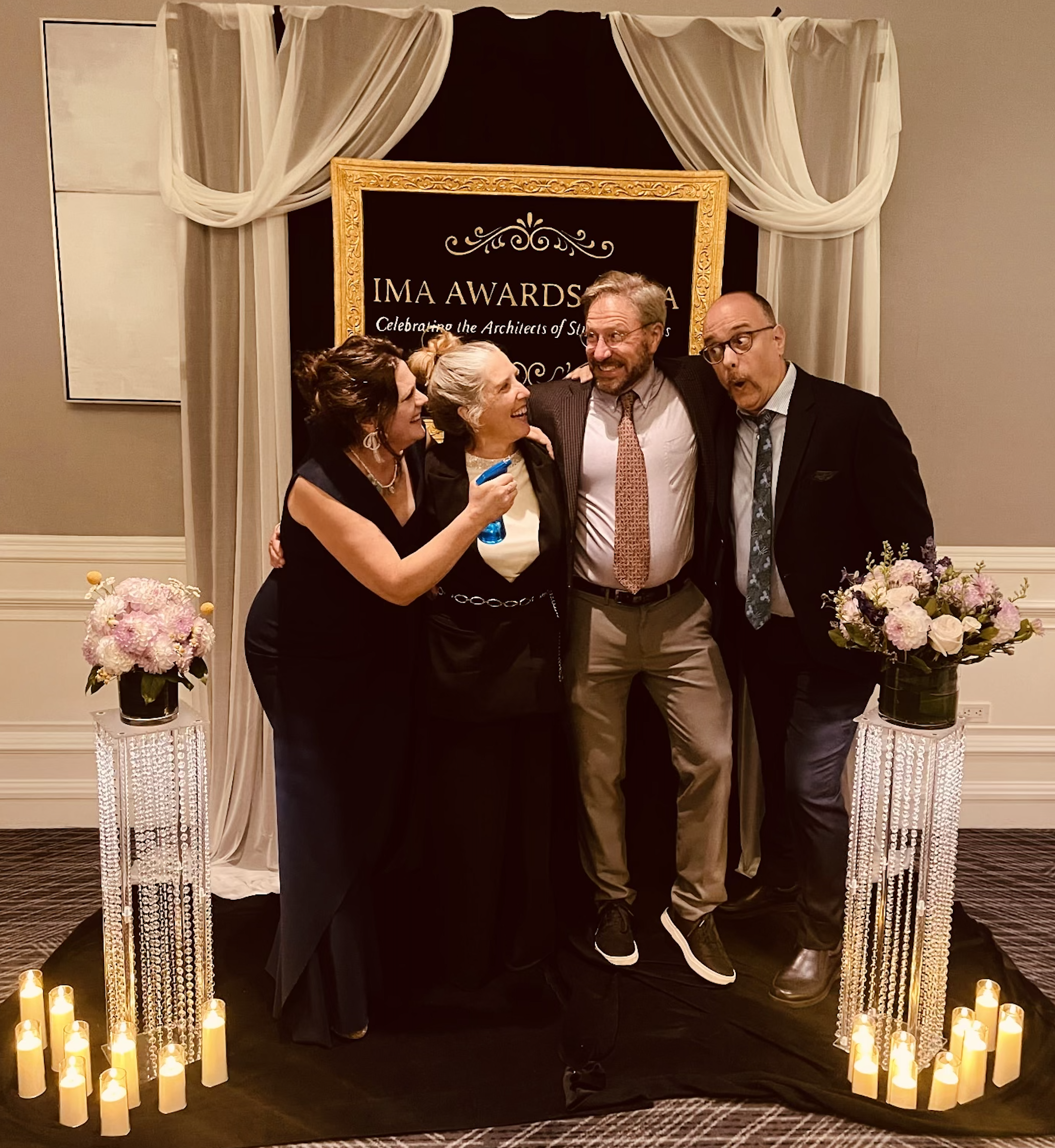
The Kenneth W. Howell Tribute Award was created by Ken’s former students and colleagues to recognize educators who carry forward the principles he modeled throughout his career: Thoughtful problem solving, trusted evidence, effective instruction, and a relentless commitment to better outcomes for students.
Each year, the award will honor someone whose work reflects that same spirit—and bring them to the annual MTSS Awards celebration to be recognized by the community carrying this work forward.
Contributions to the Kenneth W. Howell Legacy Fund help make that possible by supporting travel for future honorees.
Help us carry Ken’s legacy from one generation of educators to the next.